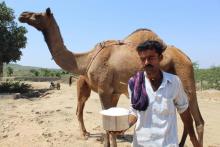
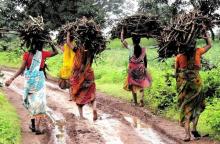
Tribals fret over sale of minor forest produce

India gets Rs 20,000 crore worth of minor forest products (MFPs). This year, these can provide the much-needed cushion against massive job loss and tanking economy. The ongoing lockdown due to Covid-19 pandemic has cast a shadow on the trade of MFPs as well. While governments have allowed collection of MFPs from the forests, usual weekly markets (haats) are not functioning and traders are not allowed to move around, leaving little options for sale.


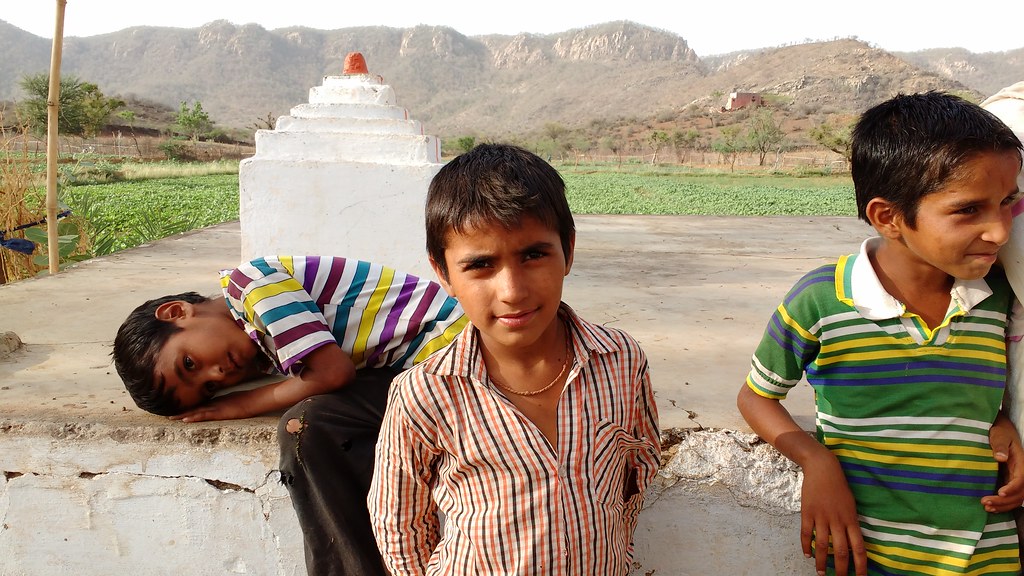 The impact of climate crisis on people across the world is highly disproportionate but no other group is as vulnerable as children in low income families of developing countries. Children are not emotionally and physically capable of understanding the dangers during extreme weather events and are dependent on adults for their survival. They are more susceptible to water and vector borne diseases, malnutrition and they are forced into labour due to economic challenges induced by climate crisis.

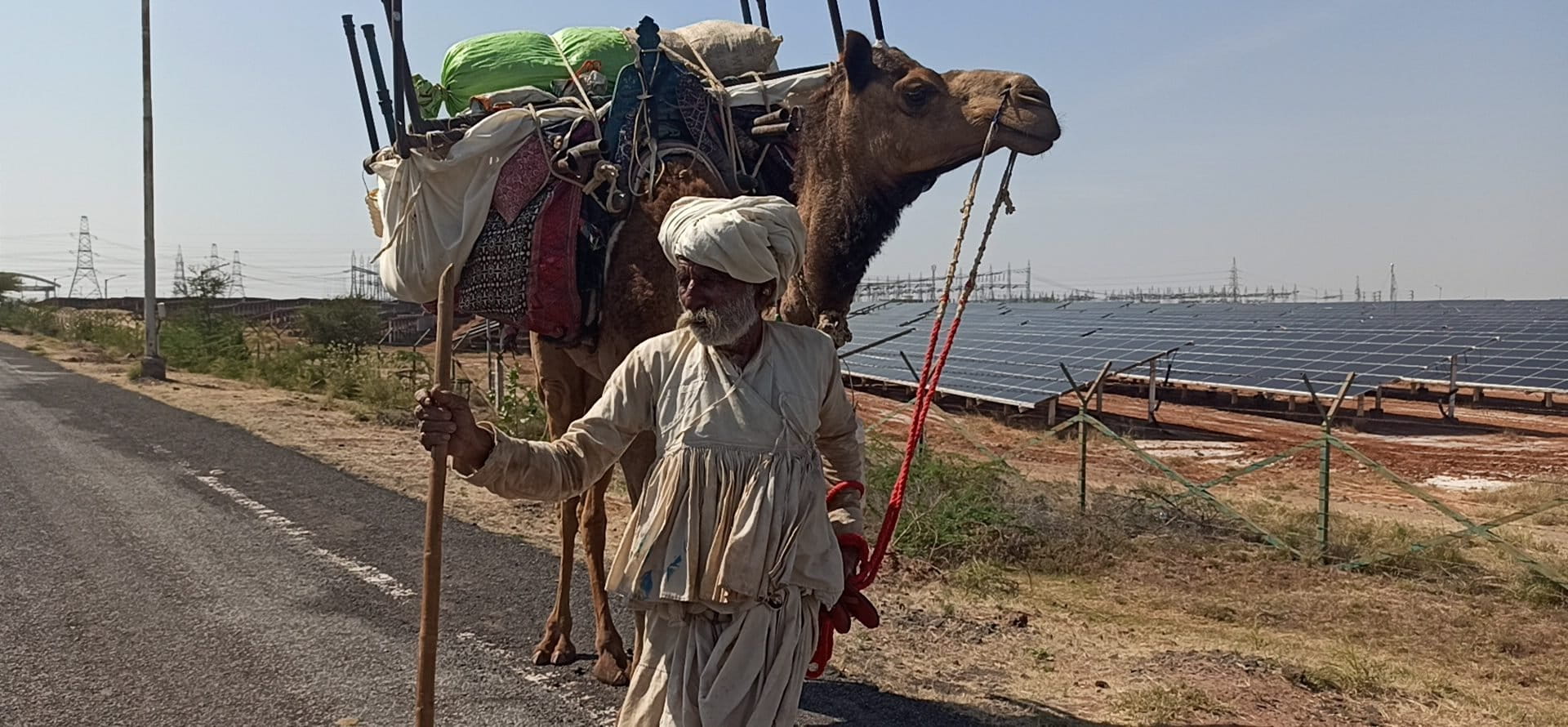
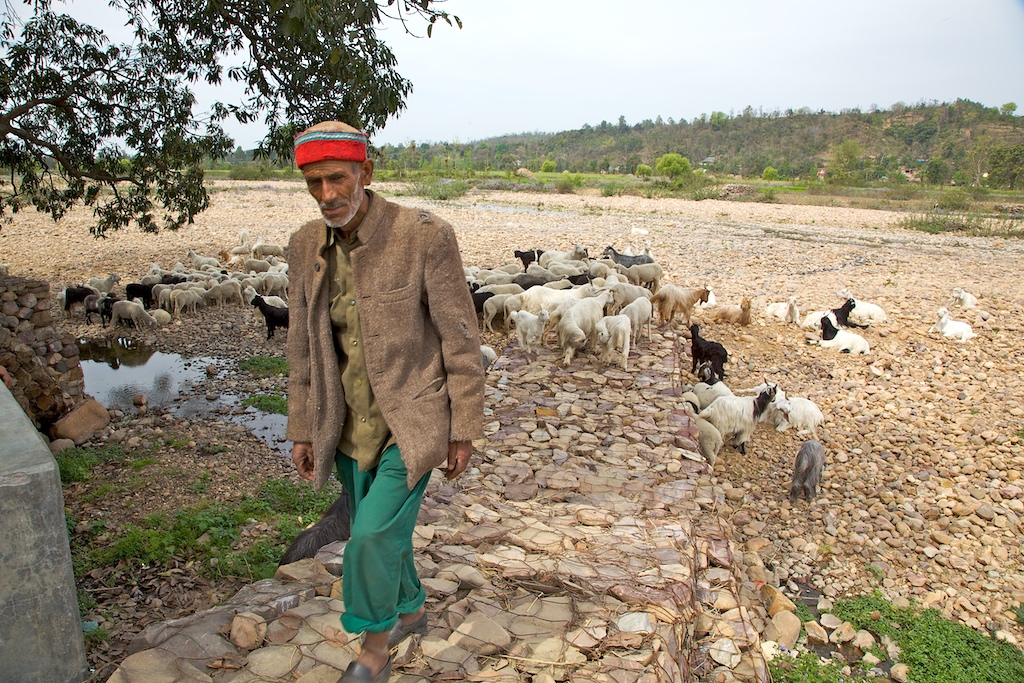 Beginning in the 1990s, the forest department shifted away from commercial production toward a greater emphasis on joint-forest management, which resulted in a shift toward an array of broad-leaved (but still not palatable) species being planted, especially in lower altitudes. However, Gaddis were largely left out of many joint forest management schemes mainly because of their migratory practice and were consulted in a “token fashion” for compensatory afforestation for hydroelectric projects in high altitudes.